Why Practicing Therapy Skills at Home Matters
Your child has been working hard in therapy, and you’re starting to see progress. Maybe they’re using a new word, getting better at balancing, or learning to button their shirt. It’s exciting to see those new skills develop! But what happens when the therapy session ends?
The skills children learn during speech, occupational, and physical therapy aren’t just for the therapy room. They’re meant to help children communicate, move, play, and participate more independently in everyday life.
That’s why practicing therapy skills at home can be such an important part of your child’s progress.
Progress Doesn’t Only Happen During Therapy Sessions
Your child might attend therapy once or twice a week, but those sessions represent only a small portion of their time. The rest of the week is filled with opportunities to use the skills they’re learning.
For example, a child working on communication might practice requesting a favorite toy during playtime. A child developing fine motor skills might practice using utensils during meals. And a child improving their balance might practice stepping over small obstacles while playing.
These everyday experiences help children connect what they’re learning in therapy with the activities they do at home, at school, and in their community. The goal isn’t to replace therapy sessions. It’s to give your child more opportunities to use and strengthen their developing skills between appointments.
Repetition Helps New Skills Become Easier to Use
Learning a new skill takes practice. Think about how many times children try standing, walking, or riding a bicycle before those movements begin to feel more natural. The same principle applies to skills children are developing in therapy.
When children practice a skill regularly, they have more opportunities to build confidence, improve coordination, and become comfortable using it.
Practicing in different environments is important, too. A child might learn to request a toy during speech therapy but still need practice using that same communication skill at home or on the playground. With appropriate support and repetition, these skills can become more useful and familiar in everyday life.
Home Practice Should Fit into Your Family’s Routine
When parents hear “practice therapy skills at home,” they sometimes imagine needing to set aside an extra hour every day for structured exercises. Fortunately, that’s not usually necessary! Many therapy strategies can fit naturally into activities you’re already doing with your child.
For example:
- During meals: Encourage your child to request foods, practice using utensils, or participate in mealtime routines.
- While getting dressed: Practice buttons, zippers, balance, or following a sequence of steps.
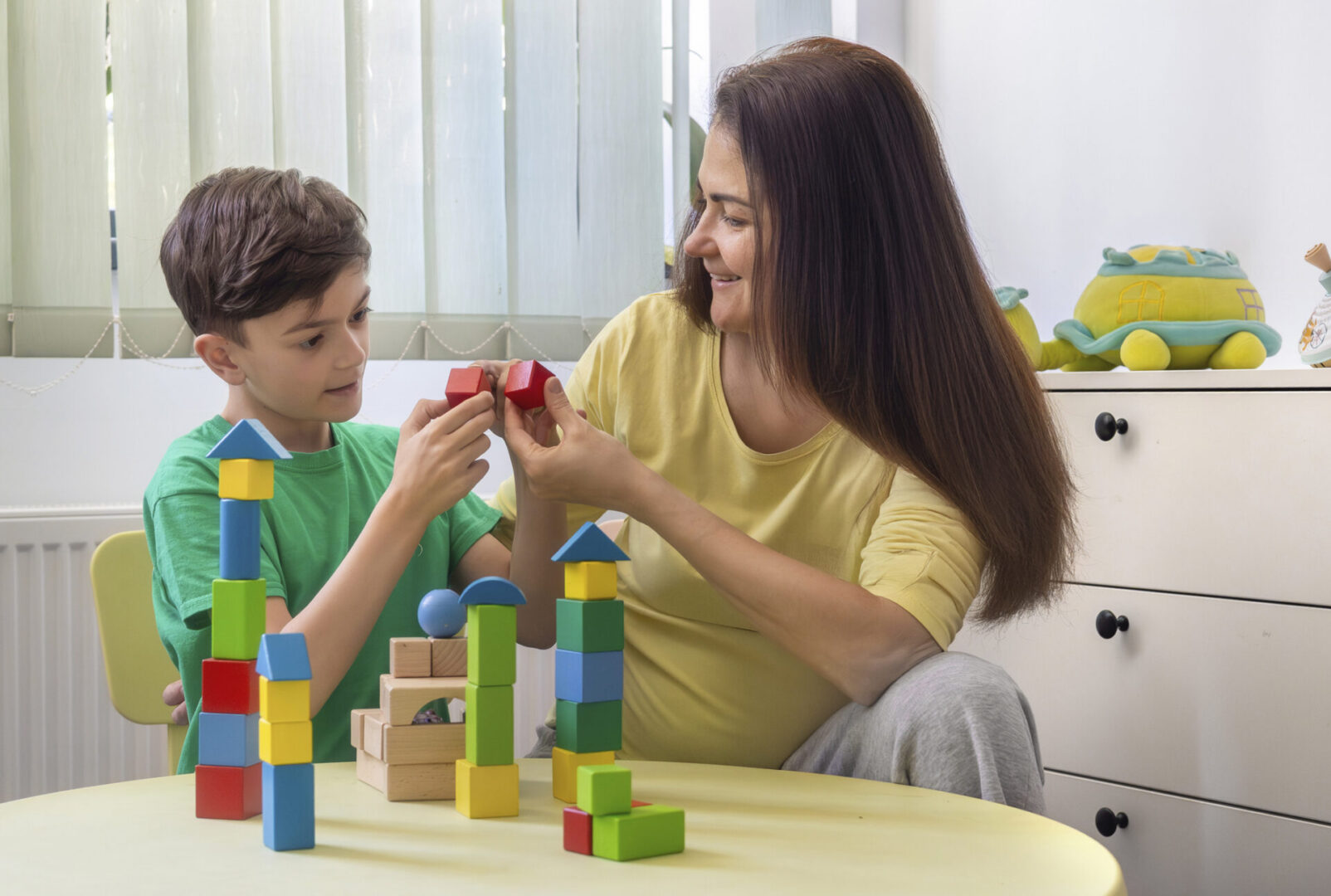
- During playtime: Work on turn-taking, communication, coordination, or following simple directions.
- While running errands: Encourage your child to identify familiar objects, communicate preferences, or participate in appropriate tasks.
- During cleanup: Practice sorting, carrying objects, following directions, and completing familiar routines.
Parents and Therapists Should Work as a Team
Your child’s therapist brings knowledge of developmental skills and therapy strategies, but you bring something equally important: an understanding of your child’s personality, interests, routines, and everyday experiences.
Working together helps make therapy more meaningful and practical. Don’t hesitate to ask your child’s therapist questions, such as:
- Which skills should we focus on at home right now?
- How can we practice those skills during our regular routines?
- What should I do if my child becomes frustrated?
- How can I tell whether we’re making progress?
It’s also important to share what’s happening between sessions. If a strategy is working well, let your therapist know! And if something isn’t working, that’s valuable information, too. Your therapist can help adjust the approach to better fit your child’s needs.
Consistency Matters More Than Perfection
You don’t have to recreate a therapy session at home, and every interaction doesn’t need to become a learning opportunity. Some days, you might have plenty of time to practice a skill. Other days, you might only have a few minutes. That’s okay!
What matters is giving your child regular, manageable opportunities to use what they’re learning.
Celebrate small steps, allow time for practice, and remember that learning new skills isn’t always a straight line. Some activities will be easier than others, and progress can look different from day to day.
With encouragement, consistency, and support from your child’s therapy team, everyday routines can become valuable opportunities for growth.
Help Your Child Build Skills That Last
At Arbor Therapy, our pediatric therapists work closely with parents to develop individualized treatment plans and practical strategies that support progress beyond the therapy room.
If your child needs support with communication, movement, coordination, or everyday activities, we’re here to help.
Call Arbor Therapy at (480) 935-0614 to learn more about our services or schedule an evaluation.