What Is AAC? A Parent-Friendly Guide
If you’ve heard the term AAC and wondered what it means for your child, you’re not alone. AAC can feel overwhelming at first, but it’s simply a tool to help children communicate more effectively. At Arbor Therapy, we believe communication is a basic human right—and AAC is one of many ways we help children find their voice.
What Does AAC Stand For?
AAC stands for Augmentative and Alternative Communication. It refers to any method of communication used to support or replace spoken language when speech is difficult or not yet functional.
AAC can be used temporarily or long-term, depending on a child’s needs, and it does not prevent a child from developing verbal speech. In fact, research shows AAC often supports speech development.
Types of AAC
AAC systems range from simple to more advanced and are always chosen based on the individual child.
Some common examples include:
- Gestures and signs (like pointing or basic sign language)
- Picture-based systems (such as picture boards or PECS)
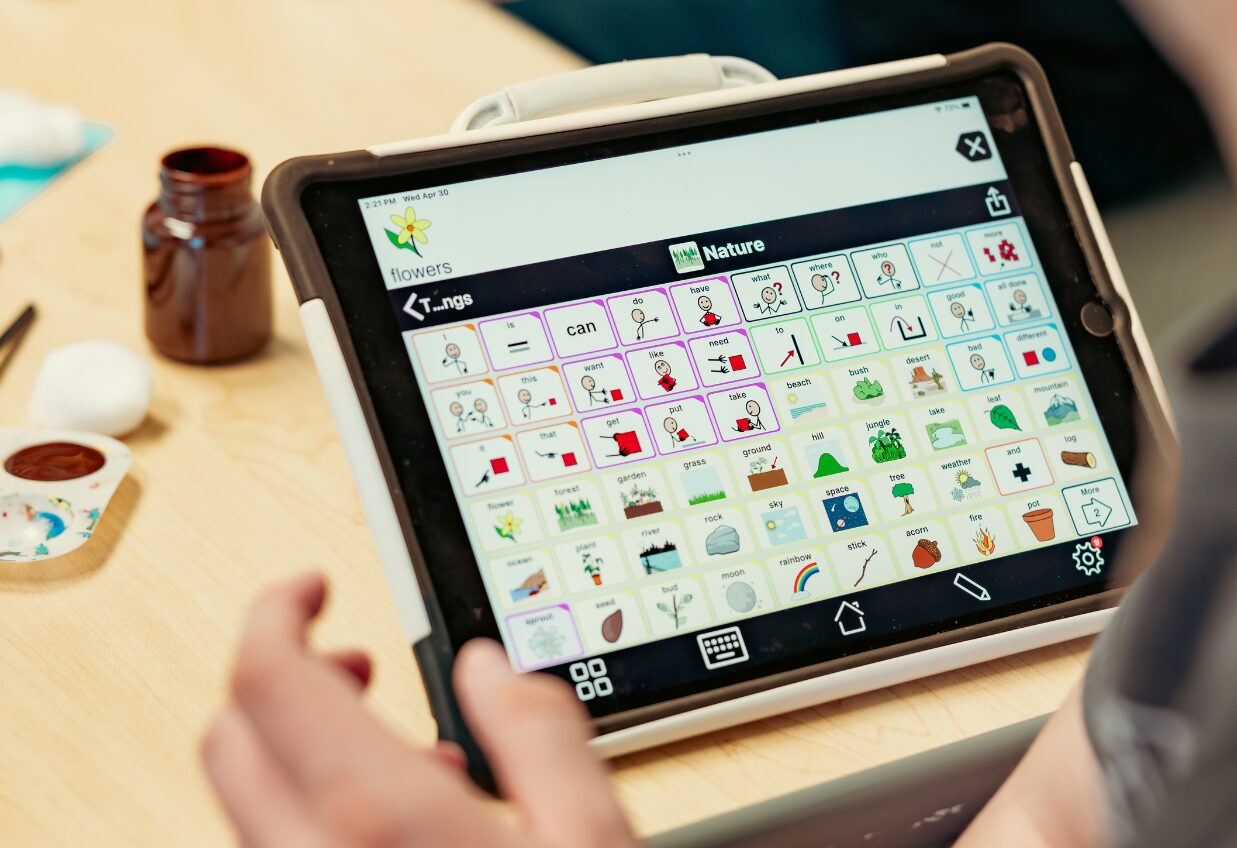
- Speech-generating devices (SGDs), including tablets with communication apps
- Low-tech AAC, like visual choice boards
- High-tech AAC, like dedicated communication devices with voice output
Your child’s therapist will help determine which type best supports their communication goals.
Who Can Benefit From AAC?
AAC can support children who:
- Have limited or unclear speech
- Are not yet using words consistently
- Have difficulty expressing wants, needs, or emotions
- Experience conditions such as autism, speech delays, apraxia, or developmental differences
AAC is not a “last resort.” It’s a bridge to communication, connection, and independence.
Will AAC Stop My Child From Talking?
This is one of the most common concerns—and the answer is no. AAC does not replace speech; it supports it. When children are able to communicate successfully, frustration decreases and opportunities for language growth increase. Many children begin to use more spoken language once they feel understood.
How AAC Is Used in Therapy
In therapy, AAC is introduced through play, daily routines, and meaningful activities. Therapists model language, encourage participation, and teach families how to support AAC use at home. The goal is functional communication—helping children express themselves across environments.
Partnering With Families
AAC works best when parents and caregivers are involved. At Arbor Therapy, we focus on collaboration, coaching, and education so families feel confident supporting communication outside of therapy sessions.
Final Thoughts
Every child deserves a way to communicate. AAC is not about limitations—it’s about possibilities. Whether a child uses AAC for a short time or long-term, it can open the door to connection, learning, and confidence.
If you have questions about AAC or wonder whether it might benefit your child, our team is here to help guide you every step of the way.